


Page 20 - Thietre Arts
P. 20
Theatre Arts For Secondary Schools


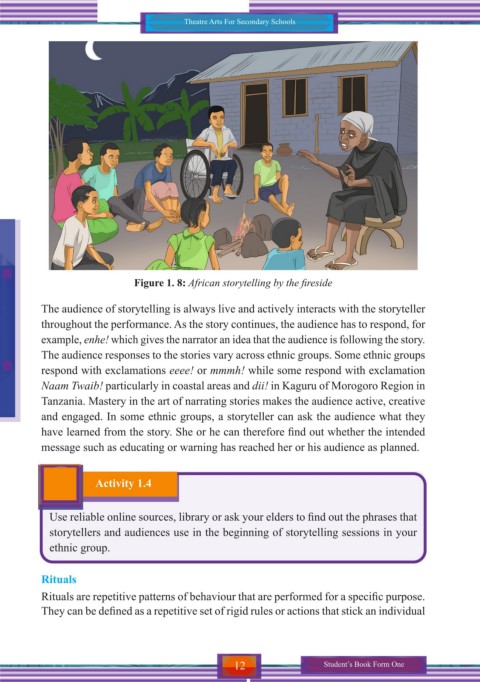
                             Figure 1. 8: African storytelling by the fireside

          The audience of storytelling is always live and actively interacts with the storyteller
          throughout the performance. As the story continues, the audience has to respond, for
          example, enhe! which gives the narrator an idea that the audience is following the story.
          The audience responses to the stories vary across ethnic groups. Some ethnic groups
          respond with exclamations eeee! or mmmh! while some respond with exclamation
          Naam Twaib! particularly in coastal areas and dii! in Kaguru of Morogoro Region in
          Tanzania. Mastery in the art of narrating stories makes the audience active, creative
          and engaged. In some ethnic groups, a storyteller can ask the audience what they
          have learned from the story. She or he can therefore find out whether the intended
          message such as educating or warning has reached her or his audience as planned.


                     Activity 1.4


           Use reliable online sources, library or ask your elders to find out the phrases that
           storytellers and audiences use in the beginning of storytelling sessions in your
           ethnic group.


          Rituals
          Rituals are repetitive patterns of behaviour that are performed for a specific purpose.
          They can be defined as a repetitive set of rigid rules or actions that stick an individual


                                                  12                Student’s Book Form One


                                                                                          18/10/2024   18:39
   Theatre arts form 1.indd   12
   Theatre arts form 1.indd   12                                                          18/10/2024   18:39

