


Page 165 - Agriculture_Form_3
P. 165
Agriculture for Secondary Schools


          FOR ONLINE READING ONLY


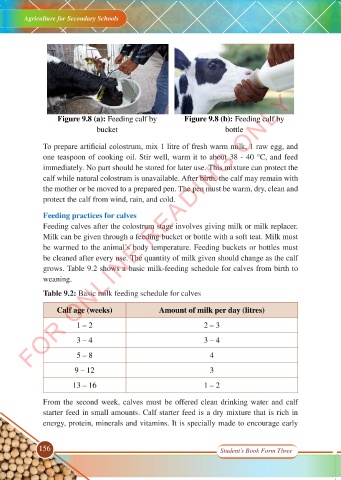
                  Figure 9.8 (a): Feeding calf by        Figure 9.8 (b): Feeding calf by
                              bucket                                 bottle


              To prepare artificial colostrum, mix 1 litre of fresh warm milk, 1 raw egg, and
              one teaspoon of cooking oil. Stir well, warm it to about 38 - 40 °C, and feed
              immediately. No part should be stored for later use. This mixture can protect the
              calf while natural colostrum is unavailable. After birth, the calf may remain with
              the mother or be moved to a prepared pen. The pen must be warm, dry, clean and
              protect the calf from wind, rain, and cold.

              Feeding practices for calves
              Feeding calves after the colostrum stage involves giving milk or milk replacer.
              Milk can be given through a feeding bucket or bottle with a soft teat. Milk must
              be warmed to the animal’s body temperature. Feeding buckets or bottles must
              be cleaned after every use. The quantity of milk given should change as the calf
              grows. Table 9.2 shows a basic milk-feeding schedule for calves from birth to
              weaning.
              Table 9.2: Basic milk feeding schedule for calves


                  Calf age (weeks)               Amount of milk per day (litres)
                        1 – 2                                  2 – 3

                        3 – 4                                  3 – 4

                        5 – 8                                   4

                        9 – 12                                  3

                       13 – 16                                 1 – 2

              From the second week, calves must be offered clean drinking water and calf
              starter feed in small amounts. Calf starter feed is a dry mixture that is rich in
              energy, protein, minerals and vitamins. It is specially made to encourage early


             156                                                    Student’s Book Form Three


                                                                                            17/09/2025   14:12
     AGRICULTURE F3.indd   156                                                              17/09/2025   14:12
     AGRICULTURE F3.indd   156

