


Page 167 - Agriculture_Form_3
P. 167
Agriculture for Secondary Schools


          FOR ONLINE READING ONLY


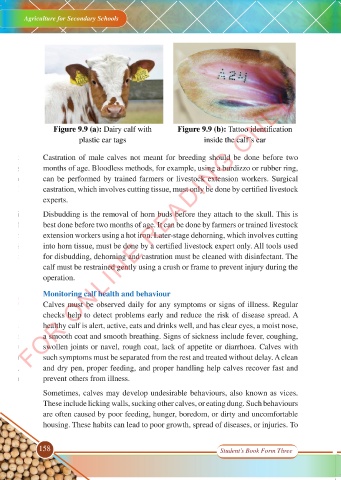
                 Figure 9.9 (a): Dairy calf with       Figure 9.9 (b): Tattoo identification
                         plastic ear tags                      inside the calf’s ear


              Castration of male calves not meant for breeding should be done before two
              months of age. Bloodless methods, for example, using a burdizzo or rubber ring,
              can be performed by trained farmers or livestock extension workers. Surgical
              castration, which involves cutting tissue, must only be done by certified livestock
              experts.
              Disbudding is the removal of horn buds before they attach to the skull. This is
              best done before two months of age. It can be done by farmers or trained livestock
              extension workers using a hot iron. Later-stage dehorning, which involves cutting
              into horn tissue, must be done by a certified livestock expert only. All tools used
              for disbudding, dehorning and castration must be cleaned with disinfectant. The
              calf must be restrained gently using a crush or frame to prevent injury during the
              operation.

              Monitoring calf health and behaviour
              Calves must be observed daily for any symptoms or signs of illness. Regular
              checks help to detect problems early and reduce the risk of disease spread. A
              healthy calf is alert, active, eats and drinks well, and has clear eyes, a moist nose,
              a smooth coat and smooth breathing. Signs of sickness include fever, coughing,
              swollen joints or navel, rough coat, lack of appetite or diarrhoea. Calves with
              such symptoms must be separated from the rest and treated without delay. A clean
              and dry pen, proper feeding, and proper handling help calves recover fast and
              prevent others from illness.

              Sometimes, calves may develop undesirable behaviours, also known as vices.
              These include licking walls, sucking other calves, or eating dung. Such behaviours
              are often caused by poor feeding, hunger, boredom, or dirty and uncomfortable
              housing. These habits can lead to poor growth, spread of diseases, or injuries. To


             158                                                    Student’s Book Form Three


                                                                                            17/09/2025   14:12
     AGRICULTURE F3.indd   158                                                              17/09/2025   14:12
     AGRICULTURE F3.indd   158

