


Page 104 - Agriculture_Form_3
P. 104
Agriculture for Secondary Schools


              moths before they lay eggs. In larger fields, these methods are not practical, so
              using recommended insecticides may be necessary. Always get advice from an
              agricultural extension worker before spraying.


          FOR ONLINE READING ONLY


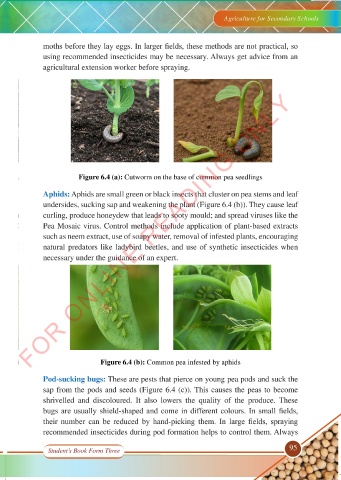
                         Figure 6.4 (a): Cutworm on the base of common pea seedlings


              Aphids: Aphids are small green or black insects that cluster on pea stems and leaf
              undersides, sucking sap and weakening the plant (Figure 6.4 (b)). They cause leaf
              curling, produce honeydew that leads to sooty mould; and spread viruses like the
              Pea Mosaic virus. Control methods include application of plant-based extracts
              such as neem extract, use of soapy water, removal of infested plants, encouraging
              natural predators like ladybird beetles, and use of synthetic insecticides when
              necessary under the guidance of an expert.


                               Figure 6.4 (b): Common pea infested by aphids

              Pod-sucking bugs: These are pests that pierce on young pea pods and suck the
              sap from the pods and seeds (Figure 6.4 (c)). This causes the peas to become
              shrivelled and discoloured. It also lowers the quality of the produce.  These
              bugs are usually shield-shaped and come in different colours. In small fields,
              their  number  can  be  reduced  by  hand-picking  them.  In  large  fields,  spraying
              recommended insecticides during pod formation helps to control them. Always

                Student’s Book Form Three                                                95


                                                                                            17/09/2025   14:12
     AGRICULTURE F3.indd   95                                                               17/09/2025   14:12
     AGRICULTURE F3.indd   95

