


Page 140 - Agriculture_Form_3
P. 140
Agriculture for Secondary Schools


              and podding stages. They can be controlled by using plant-based extracts or
              approved biological sprays. In serious cases, chemical pesticides may be used
              with guidance from crop extension workers.


          FOR ONLINE READING ONLY


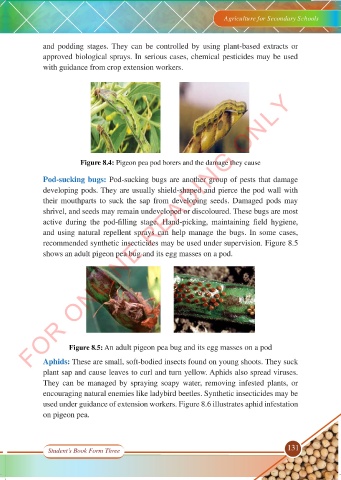
                         Figure 8.4: Pigeon pea pod borers and the damage they cause

              Pod-sucking bugs: Pod-sucking bugs are another group of pests that damage
              developing pods. They are usually shield-shaped and pierce the pod wall with
              their mouthparts to suck the sap from developing seeds. Damaged pods may
              shrivel, and seeds may remain undeveloped or discoloured. These bugs are most
              active  during  the  pod-filling  stage.  Hand-picking,  maintaining  field  hygiene,
              and using natural repellent sprays can help manage the bugs. In some cases,
              recommended synthetic insecticides may be used under supervision. Figure 8.5
              shows an adult pigeon pea bug and its egg masses on a pod.


                      Figure 8.5: An adult pigeon pea bug and its egg masses on a pod
              Aphids: These are small, soft-bodied insects found on young shoots. They suck
              plant sap and cause leaves to curl and turn yellow. Aphids also spread viruses.
              They  can  be managed  by spraying soapy water, removing  infested  plants,  or
              encouraging natural enemies like ladybird beetles. Synthetic insecticides may be
              used under guidance of extension workers. Figure 8.6 illustrates aphid infestation
              on pigeon pea.


                Student’s Book Form Three                                               131


                                                                                            17/09/2025   14:12
     AGRICULTURE F3.indd   131                                                              17/09/2025   14:12
     AGRICULTURE F3.indd   131

