


Page 141 - Agriculture_Form_3
P. 141
Agriculture for Secondary Schools


          FOR ONLINE READING ONLY


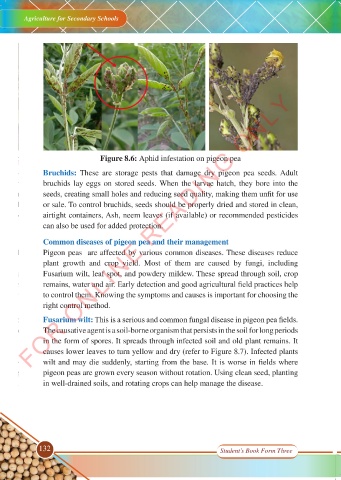
                               Figure 8.6: Aphid infestation on pigeon pea

              Bruchids:  These are storage pests that damage dry pigeon pea seeds. Adult
              bruchids lay eggs on stored seeds. When the larvae hatch, they bore into the
              seeds, creating small holes and reducing seed quality, making them unfit for use
              or sale. To control bruchids, seeds should be properly dried and stored in clean,
              airtight containers, Ash, neem leaves (if available) or recommended pesticides
              can also be used for added protection.

              Common diseases of pigeon pea and their management
              Pigeon peas  are affected by various common diseases. These diseases reduce
              plant  growth and crop yield.  Most of them  are caused by fungi, including
              Fusarium wilt, leaf spot, and powdery mildew. These spread through soil, crop
              remains, water and air. Early detection and good agricultural field practices help
              to control them. Knowing the symptoms and causes is important for choosing the
              right control method.
              Fusarium wilt: This is a serious and common fungal disease in pigeon pea fields.
              The causative agent is a soil-borne organism that persists in the soil for long periods
              in the form of spores. It spreads through infected soil and old plant remains. It
              causes lower leaves to turn yellow and dry (refer to Figure 8.7). Infected plants
              wilt and may die suddenly, starting from the base. It is worse in fields where
              pigeon peas are grown every season without rotation. Using clean seed, planting
              in well-drained soils, and rotating crops can help manage the disease.


             132                                                    Student’s Book Form Three


                                                                                            17/09/2025   14:12
     AGRICULTURE F3.indd   132                                                              17/09/2025   14:12
     AGRICULTURE F3.indd   132

