


Page 211 - Agriculture_Form_3
P. 211
Agriculture for Secondary Schools


          FOR ONLINE READING ONLY


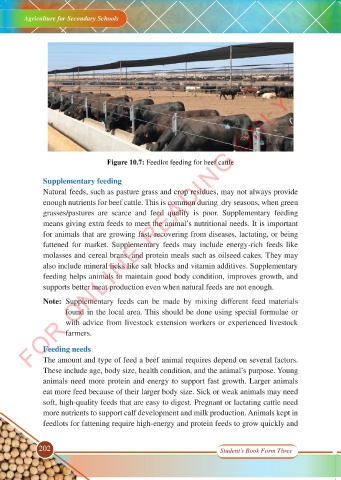
                                 Figure 10.7: Feedlot feeding for beef cattle

              Supplementary feeding
              Natural feeds, such as pasture grass and crop residues, may not always provide
              enough nutrients for beef cattle. This is common during  dry seasons, when green
              grasses/pastures are scarce and feed quality  is poor. Supplementary  feeding
              means giving extra feeds to meet the animal’s nutritional needs. It is important
              for animals that are growing fast, recovering from diseases, lactating, or being
              fattened for market. Supplementary feeds may include energy-rich feeds like
              molasses and cereal brans, and protein meals such as oilseed cakes. They may
              also include mineral licks like salt blocks and vitamin additives. Supplementary
              feeding helps animals to maintain good body condition, improves growth, and
              supports better meat production even when natural feeds are not enough.

              Note:   Supplementary  feeds can be made by mixing different feed materials
                     found in the local area. This should be done using special formulae or
                     with advice from livestock extension workers or experienced livestock
                     farmers.

              Feeding needs
              The amount and type of feed a beef animal requires depend on several factors.
              These include age, body size, health condition, and the animal’s purpose. Young
              animals need more protein and energy to support fast growth. Larger animals
              eat more feed because of their larger body size. Sick or weak animals may need
              soft, high-quality feeds that are easy to digest. Pregnant or lactating cattle need
              more nutrients to support calf development and milk production. Animals kept in
              feedlots for fattening require high-energy and protein feeds to grow quickly and


             202                                                    Student’s Book Form Three


                                                                                            17/09/2025   14:12
     AGRICULTURE F3.indd   202                                                              17/09/2025   14:12
     AGRICULTURE F3.indd   202

